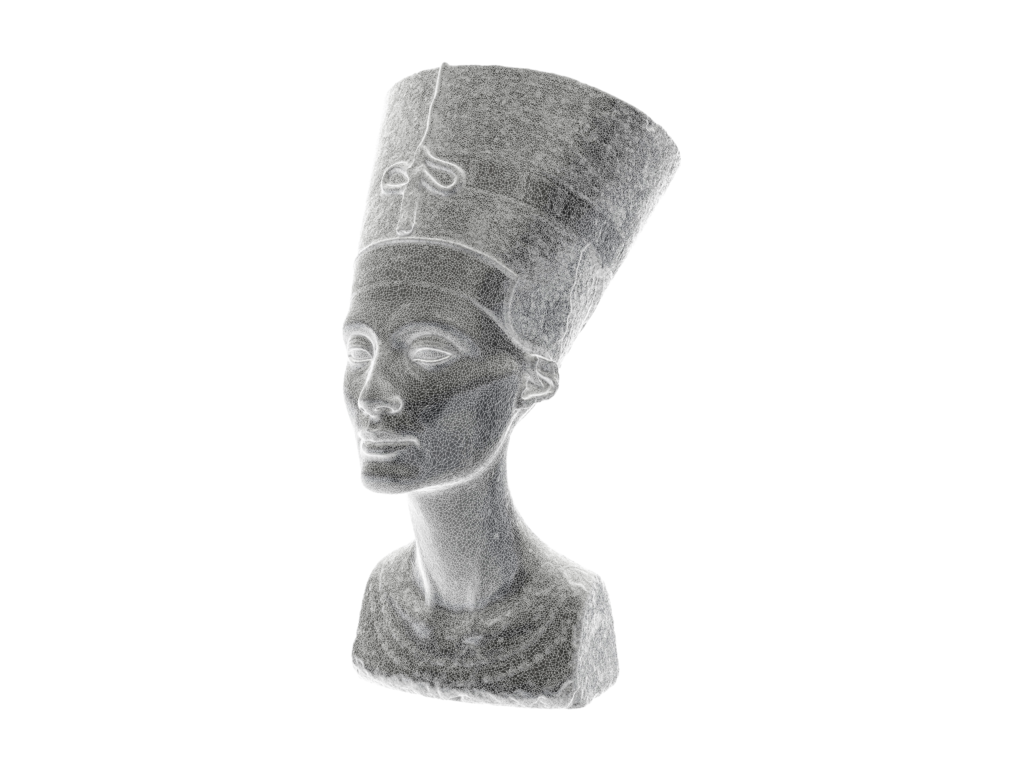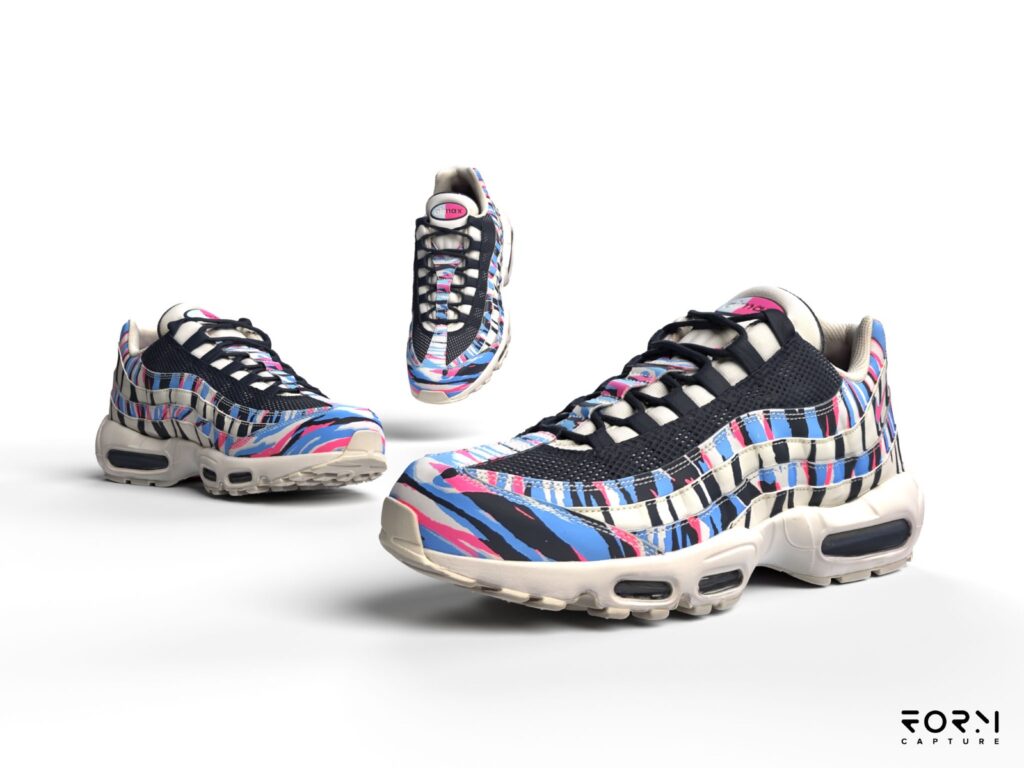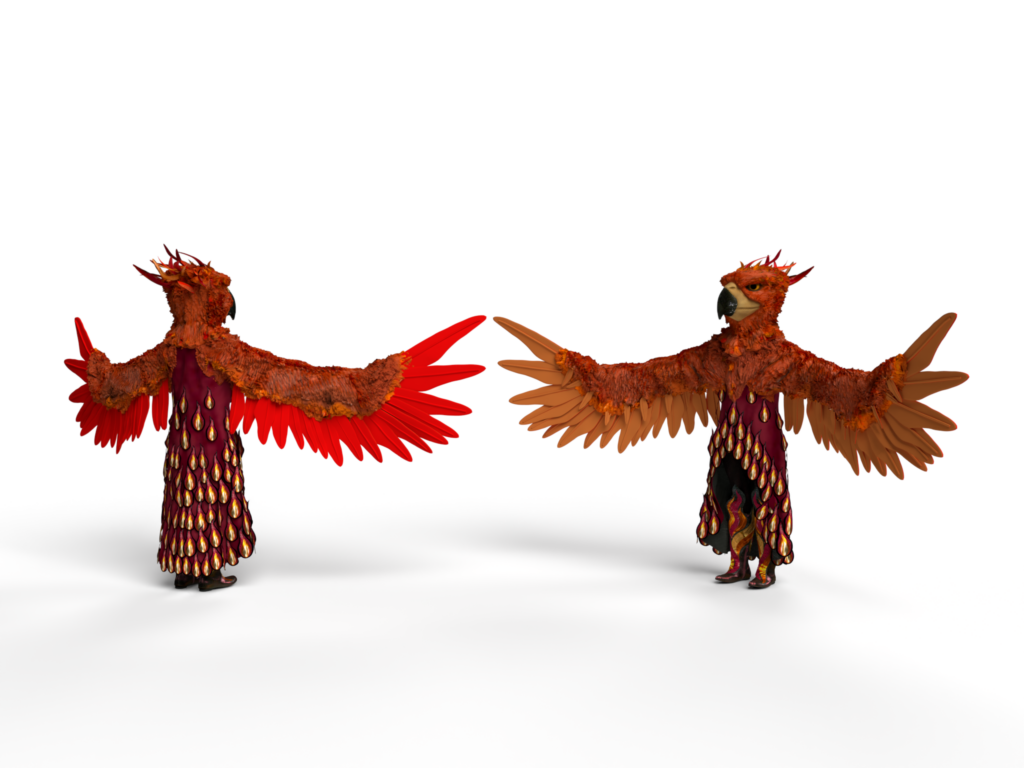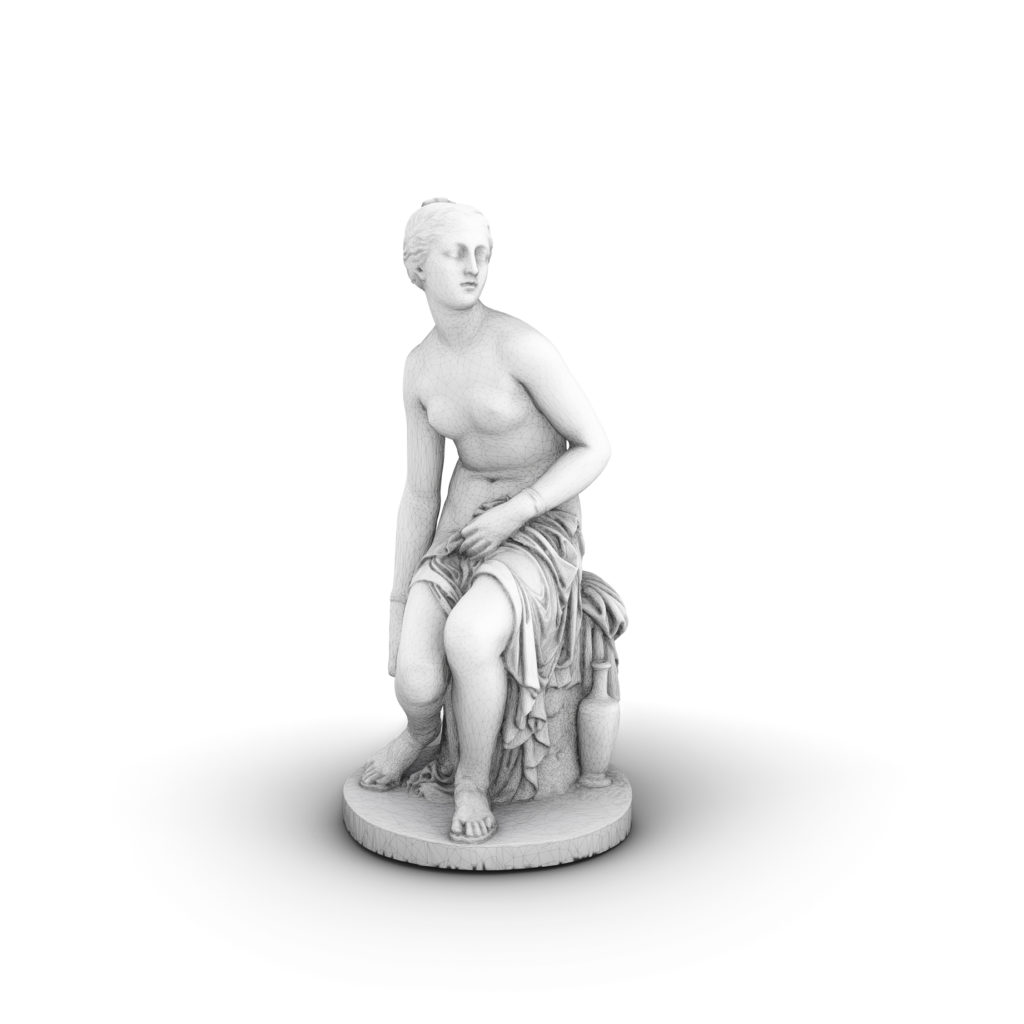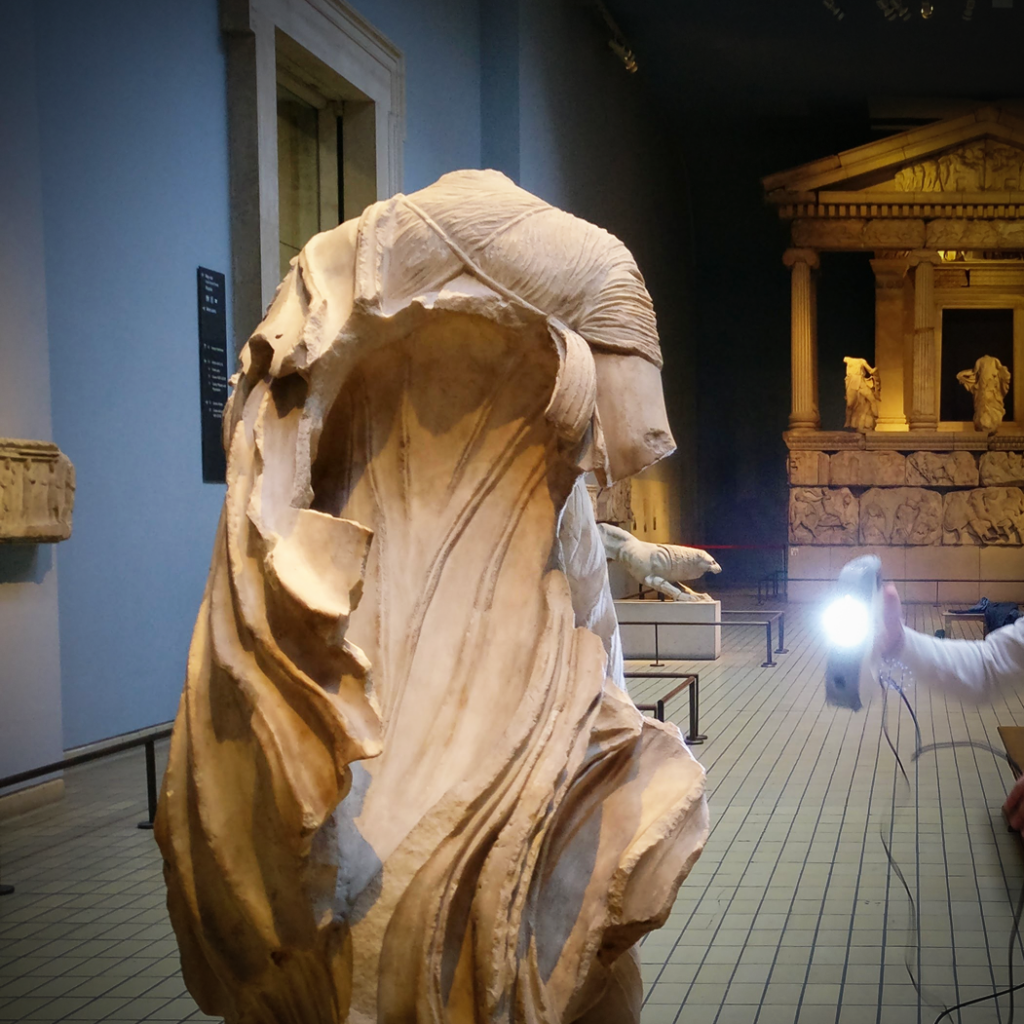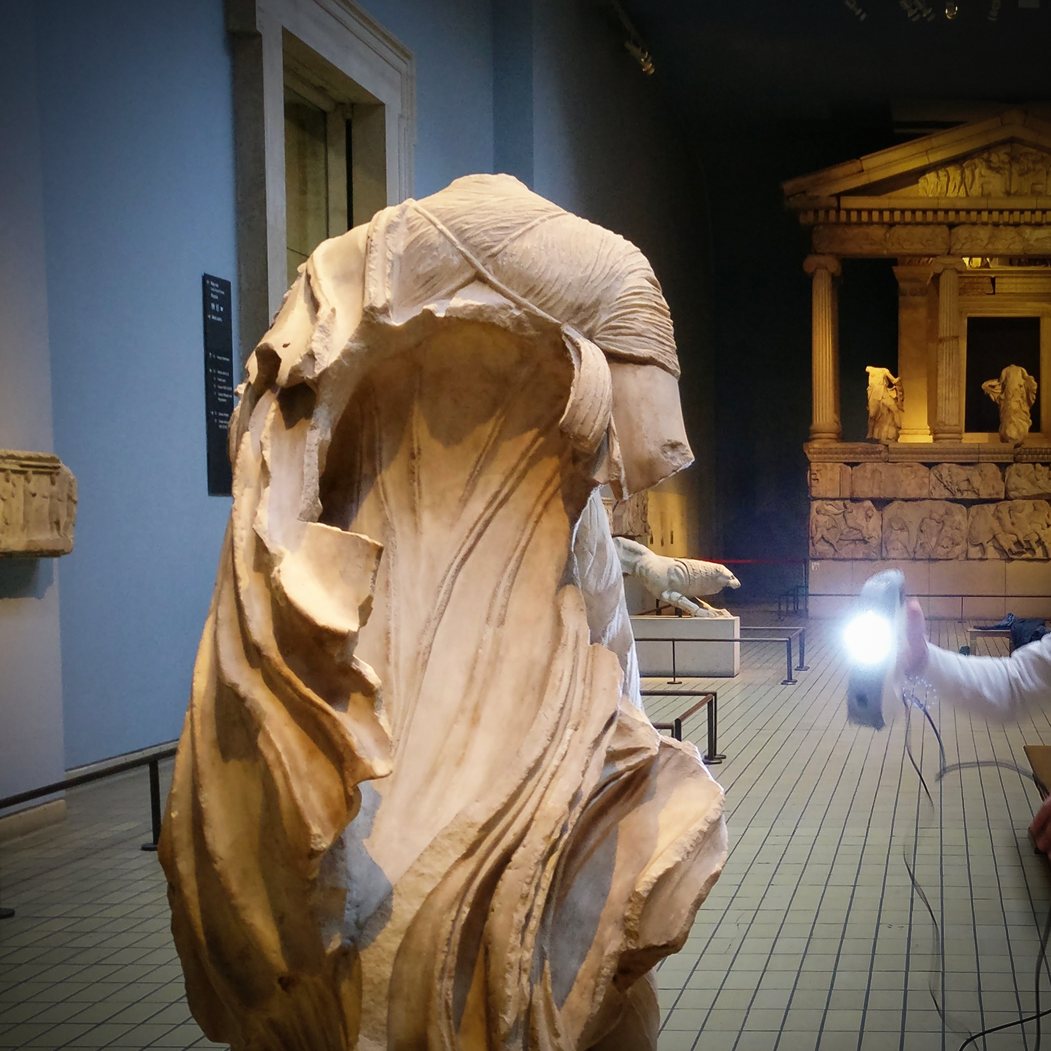
Onsite 3D scanning is mobile capture carried out at your location using studio grade rigs and controlled lighting. Our team records accurate geometry and colour for people, garments, artefacts and environments with minimal disruption, secure handling and clear access planning. The result is clean meshes and textures supplied in common formats ready for VFX, print or digital archive.
Museums, galleries, and archives use onsite scanning to protect fragile works while capturing accurate digital records. Fashion houses and production teams rely on it for people, garments, and sets when schedules are tight or movement is limited. Artists, fabricators, and designers choose onsite capture when scale, access, or security make studio visits impractical, with assets delivered ready for VFX, print, or conservation.
We operate mobile rigs that match studio accuracy with careful lighting control, colour management, and secure handling. Our team plans access, works discreetly under NDAs, and protects fragile pieces while capturing clean, production ready data. Deliverables arrive optimised for VFX, print, and archive with rapid turnaround across the UK and Europe.
Onsite 3D scanning brings studio grade capture to your location for people, garments, artefacts, products, and small interiors. It reduces risk for fragile or high value items, shortens schedules, and avoids transport or insurance complications. Our team manages access, power, and handling so you receive accurate geometry and colour that is ready for production or archive.
We use photogrammetry and structured light to record accurate surface data with colour true textures. For an introduction to structured light see Artec 3D. Deliverables include cleaned meshes with UVs and textures in formats such as OBJ, FBX, GLB, and USDZ. For open standards see the Khronos glTF overview and OpenUSD. Guidance on digital preservation practices can be found via the Library of Congress glTF profile and the Library of Congress USD profile.
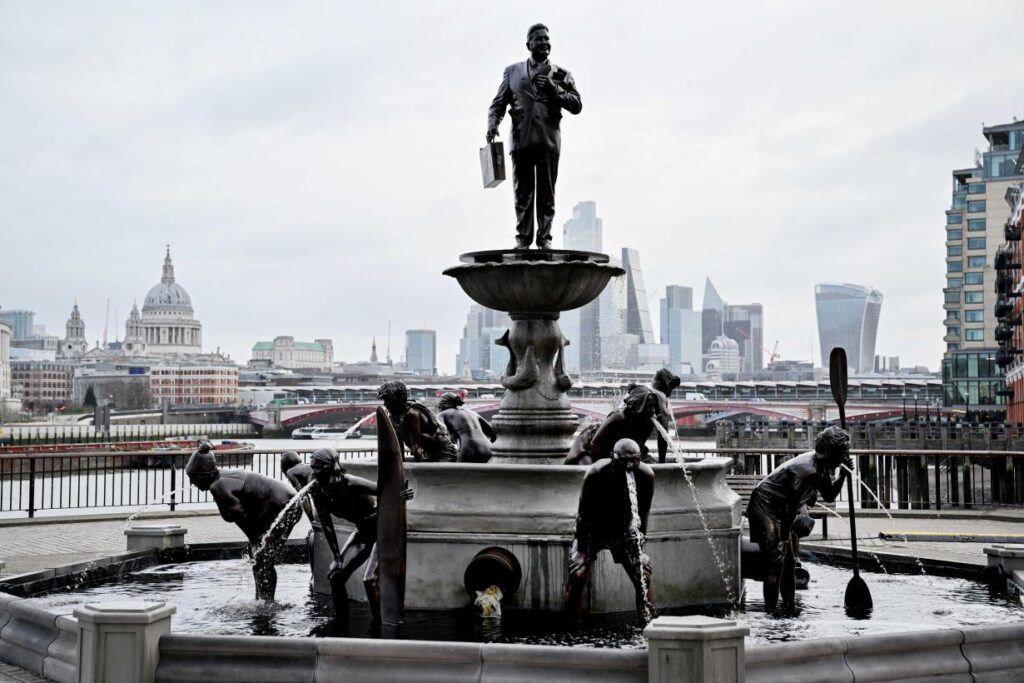
Onsite projects for museums and archives follow sector guidance for safe object handling and documentation. Useful references include Collections Trust resources, the National Archives advice on caring for archives, and training from National Museums Scotland. For exemplars of 3D digitisation in heritage, explore the Smithsonian 3D portal and the Digitization Program Office.
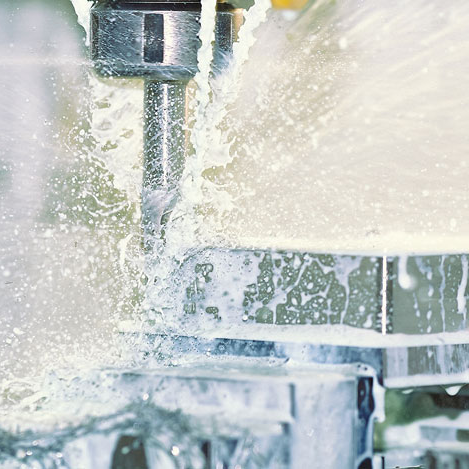
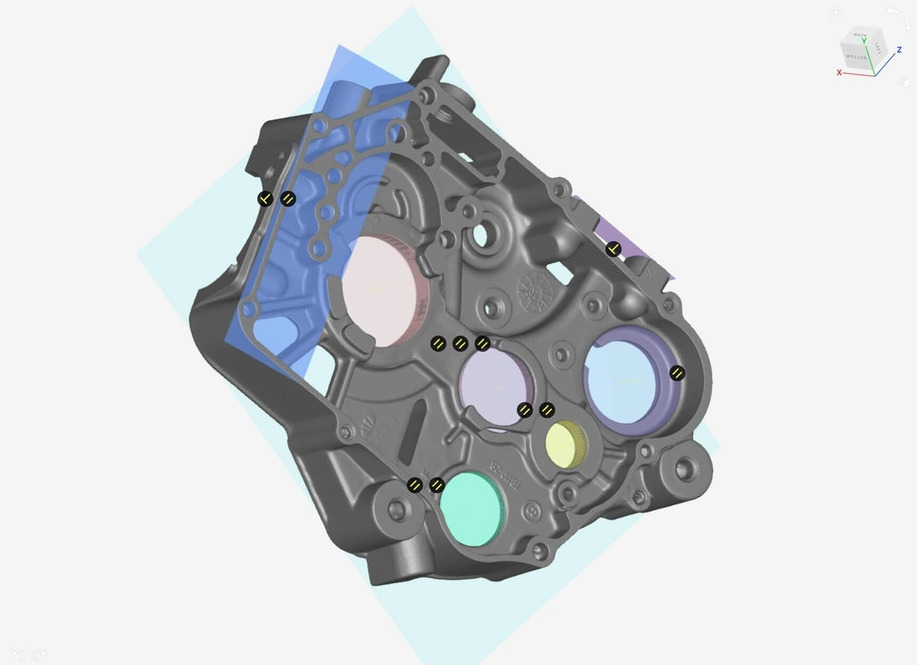
Many onsite projects pair well with File Fixing and Cleaning, Metrology and Quality Control, and Fabrication and CNC. For a full overview see 3D Scanning Services.
The aim is simple. Capture with accuracy, supply production ready data, and protect the object and the schedule. That is why teams across fashion, art, and heritage choose onsite scanning when quality and logistics both matter.